Your first winter trek in the Himalayas is going to be one of the most memorable experiences of your life. But it can also be one of the most uncomfortable if you go unprepared. Here's everything we've learned from leading hundreds of first-timers through snow trails like Kedarkantha, Brahmatal and Dayara Bugyal.
Start Fitness Training 3–4 Weeks Before
The single biggest mistake first-timers make is underestimating the physical demand. A winter trek is harder than a summer trek at the same altitude — snow slows you down, cold saps energy, and heavy layering adds weight.
Here's what to do:
- Walk daily: Start with 3 km brisk walks and build to 5 km by departure week.
- Jog: Aim to jog 3 km without stopping. This is your aerobic baseline.
- Climb stairs: 5–8 floors daily with a daypack. This simulates incline better than any gym machine.
- Squats and lunges: 3 sets of 15 each, every other day. Your quads and knees carry you uphill; your calves hold you on descents.
Layering Is Everything
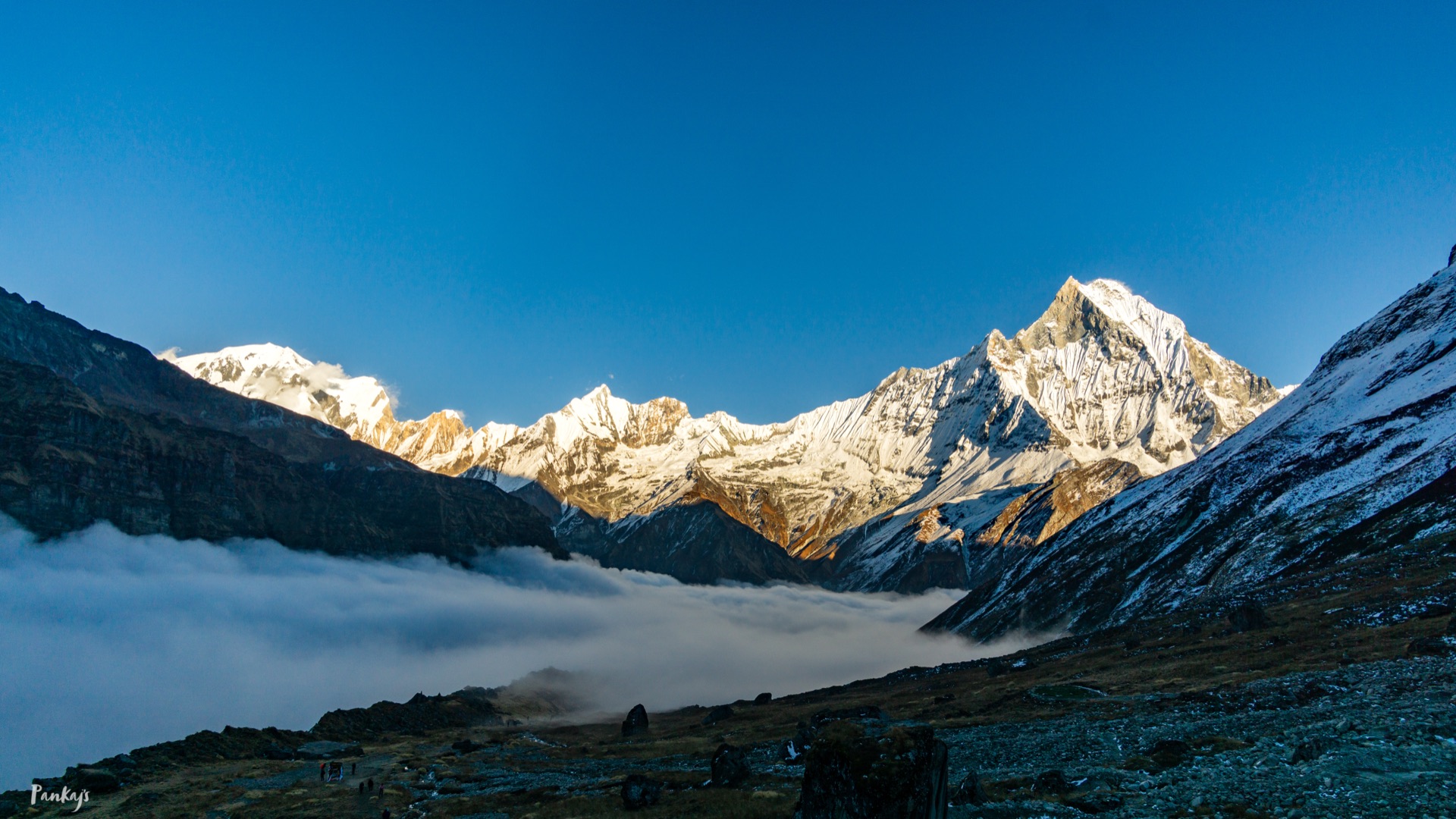
There is no such thing as being "too warm" at 3,500 m in December. The trick is not wearing one giant jacket — it's wearing three intelligent layers that you can add and remove as conditions change.
The Three-Layer System
- Base layer (thermal): Merino wool or synthetic thermal top and bottom. This sits against your skin and wicks sweat away. Cotton is the enemy — it traps moisture and chills you.
- Mid layer (insulation): A good fleece or light down jacket. This traps body heat. On steep ascents you might strip this off; on windy ridges you'll want it zipped up tight.
- Outer layer (shell): A waterproof, windproof jacket. Doesn't need to be expensive — it needs to block wind and resist snow/rain. A hard-shell works best; a good raincoat is acceptable.
"The mountain doesn't care what brand your jacket is. It cares whether you're dry."
— Binoy Barai, Trishul Adventures
Gear Checklist for a Winter Trek
You don't need to buy everything — most trekking companies (including us) provide sleeping bags, crampons, gaiters and tents. But there are a few non-negotiables you should own:
- Trekking shoes: Waterproof, ankle-high, broken in. This is the one item you must never borrow or rent if possible. Your feet carry you — treat them well.
- Woollen socks × 3: Two for the trail, one dry pair for the night. Wet feet at minus 5 is a fast track to misery.
- Gloves: One fleece pair for walking, one waterproof pair for snow. Your fingers stop working below zero — protect them.
- Balaclava or neck gaiter: Wind on a ridge will cut through any scarf. A proper gaiter covers your neck, chin and nose in one pull.
- Sunglasses: Snow-blindness is real. UV protection is mandatory above 3,000 m in winter.
- Headlamp: Summit days start at 3 AM. You'll be walking in the dark for 2+ hours.
Hydration and Nutrition
Cold weather suppresses your thirst reflex — you don't feel thirsty, but you're still losing water through breathing (that visible exhale is moisture leaving your body). Dehydration at altitude causes headaches, fatigue and increases AMS risk.
- Drink 3–4 litres per day, starting a week before the trek.
- Carry a thermos with warm water or soup on the trail — cold water is harder to drink in winter.
- Pack trail snacks: nuts, jaggery, dates, energy bars. You burn 2,500–3,500 calories on a trekking day.
- Avoid alcohol completely — it dilates blood vessels and accelerates heat loss.
Mental Preparation
This is the part nobody talks about, but it matters as much as your cardio. Winter treks are cold, uncomfortable, and sometimes lonely at 3 AM on a summit push. The trekkers who enjoy it most are the ones who've made peace with discomfort before they arrive.
A few things that help:
- Take cold showers for the last week — not as punishment, but as practice for discomfort management.
- Sleep in a sleeping bag on the floor once — most people have never slept in one before and waste their first night fidgeting.
- Read one trek journal or watch one vlog of the specific trek you're doing. Visual familiarity reduces anxiety on Day 1.
What We Provide on the Trek
When you trek with Trishul Adventures, we take care of the logistics so you can focus on walking and soaking it in:
- All meals from dinner on Day 1 to lunch on the last day — hot, fresh, and generous.
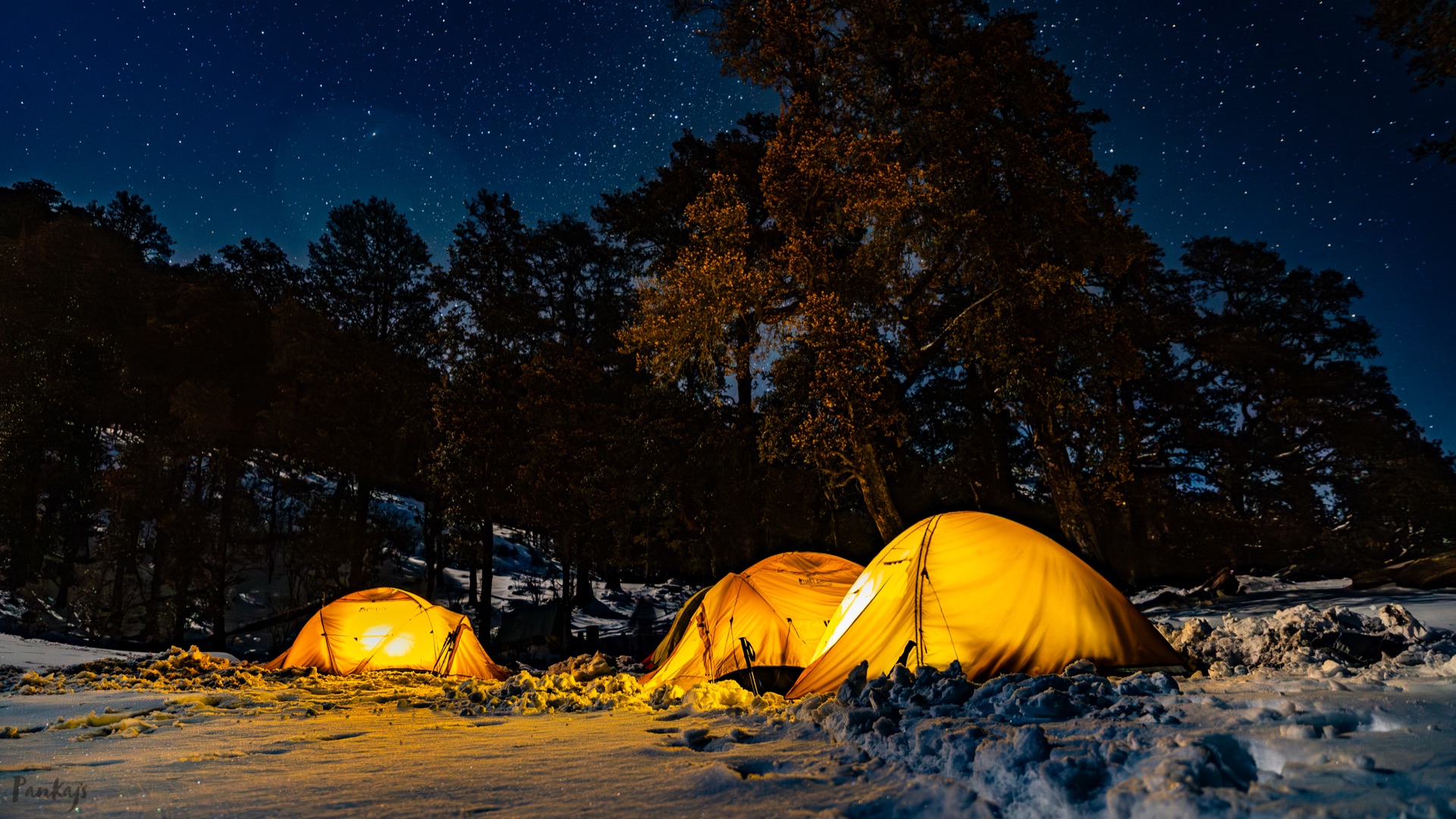
- Camping equipment: quality tents, sleeping bags rated to minus 10, foam mats.
- Safety gear: medical kit, oximeter, crampons and gaiters (as needed).
- Experienced trek leader, guide, cook and support staff on every batch.
All you need to bring is yourself, your shoes, your layers — and a sense of wonder.
Ready to book your first winter trek? Check out Kedarkantha, Brahmatal or Dayara Bugyal — all are perfect for first-timers and run through December to March.
Leave a Comment
Your email address will not be published. Required fields are marked *